
Medical Sciences Division

Relevant Links
The Division comprises over 2200 academics and staff, 800 graduate students and 900 undergraduates; about 350 NHS Clinicians and GPs contribute to our teaching activities. In total over 2500 individuals are involved in research.
Medical sciences research at Oxford has maintained its pre-eminent standing, as demonstrated by the results of the 2008 Research Assessment Exercise (RAE). Analysis of the preliminary results published in December 2008 places Oxford medical sciences research as being of the highest quality in the UK in four separate medical science disciplines.
Series associated with Medical Sciences Division

A Good Science Read

A Splash of Colour

Africa Oxford Initiative

After the End
Autoimmune Disease
Big Questions - with Oxford Sparks
Calleva Research Centre
Cancer
Cancer in the Developing World
Career Equality Talks

Centre for Personalised Medicine
Children's Language and Literacy Impairments
Combined Medical-Surgical Grand Rounds
CortexCast - A Neuroscience Podcast
Crossing Boundaries
Diabetes and Obesity
Epidemics and Vaccines
Ethics and Early Intervention in Mental Health: Promoting Change through Research
Evidence-Based Health Care
Families for the Treatment of Hereditary MND (FATHoM) Oxford Meeting
Families for the Treatment of Hereditary Motor Neuron Disease

Futuremakers
Genetics
Global Health
Gut Instinct: GI research update
Health Innovation and Entrepreneurship
Health, Law and Emerging Technologies (HeLEX)
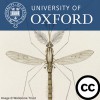
History of Tropical Medicine at Oxford
HIV
IDEAL Collaboration Conference 2016
Immunology

Inside WIMM (Weatherall Institute of Molecular Medicine, University of Oxford)
Inspiring Women in Science
Issues in Bioethics - Oxford Bioethics Network
Journey of a Molecular Detective; David Sherratt
Lectures in Pharmacology
Let's talk e-cigarettes
Malaria
Malaria Atlas Project
McMichael Symposium
Medical Sciences
Mental Health Interventions for Refugee Children
Musical Abstracts
NDM International Activities
NDM Public Engagement
NDM Units
Nuffield Department of Clinical Neurosciences

Nuffield Department of Medicine, Meet our Students
OPDC: Progress in Parkinson's Research.
Our Mental Wellness
Oxford Biomedical Research
Oxford Kafka24
Oxford Sparks: bringing science to life
Power and Privilege in Academia
Primary Care Health Sciences
Psychiatry
Public Health and Epidemiology (Richard Doll Seminars)
Public Lecture Podcasts from the Department of Physiology, Anatomy and Genetics
Recollecting Oxford Medicine: Oral Histories
Research Integrity
Research Topics in Biomedical Sciences
Revolutionary Biology
Science in Ten
Science with Sanjula
Surgical Grand Rounds Lectures
Tackling Health Challenges
The Future of Science Symposium
The New Psychology of Depression
The Oxford Colloquy

The Oxford Colloquy: Trusting the Science

To Immunity and Beyond
Translational and Clinical

Translational Health Sciences
Translational Medicine
Trust the Evidence
Understanding Alzheimer's and Dementia: Oxford ARUK Public Open Day
Unpacking the Fundamentals of Global Health: Towards a New Generation of Leadership
Vaccine Research at Oxford
Vaccines - From Concept to Clinic with Oxford Sparks
Weatherall lecture
Wellcome Centre for Integrative Neuroimaging (WIN) Podcast
Wellcome Trust Centre for Human Genetics
Women in Medical Science
| # | Episode Title | Description | People | Date | |
|---|---|---|---|---|---|
| 416 | Creative Commons | Mental health and suicide in prisons | An interview with Professor Seena Fazel, who discusses his research into prison populations; their mental health problems and suicide risks. | Seena Fazel | 10 Feb 2015 |
| 415 | "Anomalies" Part 3 - Placebos and pain | Professor Irene Tracey explains the placebo effect and how it is a normal part of our pain system. | Irene Tracey, Chris Lintott | 10 Feb 2015 | |
| 414 | Creative Commons | Personalised Medicine | Dr Jenny Taylor is the Programme Director for the Genomic Medicine Theme, Wellcome Trust Centre for Human Genetics. Her research bridges the gap between genetics research and the use of its discoveries in diagnosis or treatment of medical conditions. | Jenny Taylor | 09 Feb 2015 |
| 413 | Creative Commons | Cancer predisposition and evolution | Identifying genes that increase the risk of bowel or other cancers allows us to offer preventative measures, such as removing tumours at an early stage. A better understanding of how and why cancers grow also helps develop improved treatments. | Ian Tomlinson | 09 Feb 2015 |
| 412 | Creative Commons | Cancer Informatics | Cancer research now generates huge amounts of data, and sophisticated computational tools are needed to answer biological questions. Making sense of this variability at molecular level will help us better tailor treatments to individual cancer patients. | Benjamin Schuster-Böckler | 09 Feb 2015 |
| 411 | Biological imaging | Video microscopy aims to improve target discovery and drug development and to do so generates large volumes of data. | Jens Rittscher | 09 Feb 2015 | |
| 410 | Pharmacogenomics | Dr Sebastian Nijman develops new approaches to study signalling networks in cancer cells and uncover specific weaknesses, particularly in breast and lung cancer. This can be used to develop more effective drugs and to better guide treatment decisions. | Sebastian Nijman | 09 Feb 2015 | |
| 409 | Creative Commons | Biological imaging | Video microscopy aims to improve target discovery and drug development and to do so generates large volumes of data. | Jens Rittscher | 09 Feb 2015 |
| 408 | Creative Commons | Personalised Medicine | Dr Jenny Taylor is the Programme Director for the Genomic Medicine Theme, Wellcome Trust Centre for Human Genetics. Her research bridges the gap between genetics research and the use of its discoveries in diagnosis or treatment of medical conditions. | Jenny Taylor | 09 Feb 2015 |
| 407 | Creative Commons | Cancer predisposition and evolution | Identifying genes that increase the risk of bowel or other cancers allows us to offer preventative measures, such as removing tumours at an early stage. A better understanding of how and why cancers grow also helps develop improved treatments. | Ian Tomlinson | 09 Feb 2015 |
| 406 | Creative Commons | Cancer Informatics | Cancer research now generates huge amounts of data, and sophisticated computational tools are needed to answer biological questions. Making sense of this variability at molecular level will help us better tailor treatments to individual cancer patients. | Benjamin Schuster-Böckler | 09 Feb 2015 |
| 405 | Creative Commons | Pharmacogenomics | Dr Sebastian Nijman develops new approaches to study signalling networks in cancer cells and uncover specific weaknesses, particularly in breast and lung cancer. This can be used to develop more effective drugs and to better guide treatment decisions. | Sebastian Nijman | 09 Feb 2015 |
| 404 | "Anomalies" Part 2 - Turing Patterns | Dr Christian Yates describes a phenomenon first noticed by the World War II code-breaker, Alan Turing. | Christian Yates, Chris Lintott | 26 Jan 2015 | |
| 403 | "Anomalies" Part 1 - Tinnitus | Researcher Joshua Gold explains a condition called tinnitus, most often described as a persistent and annoying sound in one or both ears. | Joshua Gold, Chris Lintott | 21 Jan 2015 | |
| 402 | "Hidden Worlds" Part 3 - The virtual universe | Dr Andrew Pontzen explains how chains of computers can be set up to simulate billions of years of development of the universe, but in a time period of weeks. | Andrew Ponzen, Chris Lintott | 05 Jan 2015 | |
| 401 | "Hidden Worlds" Part 2 - Robert Robinson’s chemical box | Edward Imrie and Dr Stephen Johnston Edward Imrie and Dr Stephen Johnston talk about a surprising discovery – a collection of boxes, originally containing chocolates and soap, now full of tiny chemical vials thought to date back to the 1930s. | Edward Imrie, Stephen Johnston | 05 Jan 2015 | |
| 400 | Cambodia Oxford Medical Research Unit (COMRU) | This video introduces COMRU, the Cambodia Oxford Medical Research Unit, a collaboration between the Angkor Hospital for Children and Bangkok-based Mahidol Oxford Tropical Medicine Research Unit (MORU). | Paul Turner, Claudia Turner | 16 Dec 2014 | |
| 399 | Shoklo Malaria Research Unit (SMRU) | Filmed in April 2013 at the Shoklo Malaria Research Unit (SMRU) in Mae Sot, and at the Wang Pa Free Clinic and the Mae La refugee camp, this video highlights SMRU's work among Karen and Myanmar refugees, living along the Thailand-Myanmar border. | Francis Nosten | 16 Dec 2014 | |
| 398 | Mahidol Oxford Tropical Medicine Research Unit (MORU) | Featuring interviews with Professor Nick White, Professor Nick Day, Professor Francois Nosten, Dr Direk Limmathurotsakul and Dr Susie Dunachie. | Nick White, Nick Day, Francois Nosten, Direk Limmathurotsakul | 16 Dec 2014 | |
| 397 | The Global Health Network | Dr Trudie Lang tells us how the Global Health Network facilitates collaboration and resource sharing. | Trudie Lang | 16 Dec 2014 | |
| 396 | Childhood Nutrition and Immunity | Dr Jay Berkley tells us about his work on childhood nutrition and immunity in East Africa. | Jay Berkley | 16 Dec 2014 | |
| 395 | The treatment of severe malaria | Professor Arjen Dondorp tells us about his work on severe malaria and the development of new therapies. | Arjen Dondorp | 16 Dec 2014 | |
| 394 | Tropical Medicine in Kenya | Professor Kevin Marsh tells us about his research on Tropical Medicine in Kenya. | Kevin Marsh | 16 Dec 2014 | |
| 393 | Artemisinin therapy for malaria | Professor Nick White talks about the future of artemisinin and other drug therapies for malaria. | Nick White | 16 Dec 2014 | |
| 392 | Health systems research | Governance in practice | Sassy Molyneux | 16 Dec 2014 | |
| 391 | Better hospitals for children | Oxford Health Systems Research Collaboration (OHSCAR) | Mike English | 16 Dec 2014 | |
| 390 | Between research and humanitarian | Between research and humanitarian | Francois Nosten | 16 Dec 2014 | |
| 389 | New frontiers in stem cell neuroscience and drug discovery | NDCN Seminar | Zameel Cader | 16 Dec 2014 | |
| 388 | Diagnosis, Treatment and Disease Epidemiology - The Trefoil Knot | The Newton Abraham Lecture 2014, delivered by Professor Piero Olliaro, Newton Abraham Visiting Professor, University of Oxford. | Piero Olliaro | 16 Dec 2014 | |
| 387 | "Hidden Worlds" Part 1 - Parallel Worlds | Dr David Wallace discusses the concept of the multiverse – a physical reality that contains lots of universes, each of which inhabited by different versions of ourselves. | David Wallace | 15 Dec 2014 | |
| 386 | "There's no place like home" Part 3 - Exoplanets | Ruth Angus talks about the search for life outside our solar system. In our own solar system, we have rocky planets towards the centre and gas giant planets further out. | Ruth Angus | 15 Dec 2014 | |
| 385 | "There's no place like home" Part 2 - The People of the British Isles | Bruce Winney describes the influx of humans to the British Isles, including the Romans, Anglo Saxons and Vikings. By comparing and contrasting the genetic make-up of patients, researchers can explore how genetics can influence disease. | Bruce Winney | 15 Dec 2014 | |
| 384 | Creative Commons | Microbiology in Thailand | Microbiology in Thailand | Stuart Blacksell | 10 Dec 2014 |
| 383 | Creative Commons | Infectious diseases in South East Asia | Infectious diseases in South East Asia | Nick Day | 10 Dec 2014 |
| 382 | Creative Commons | Rickettsial Disease | Daniel Paris: Rickettsial Disease | Daniel Paris | 10 Dec 2014 |
| 381 | Creative Commons | Prof Xin Lu: Women in Science | Every cloud has a silver lining: optimisism and persistence | Xin Lu | 10 Dec 2014 |
| 380 | Creative Commons | Helen McShane: Women in science | A career in juggling, organisation and guilt management | Helen McShane | 10 Dec 2014 |
| 379 | Bridget Ogilvie: Women in Science | Dame Bridget Ogilvie discusses her life and illustrious scientific career, at The Wellcome Trust Centre for Human Genetics’ Women in Science series | Bridget Ogilvie | 10 Dec 2014 | |
| 378 | Creative Commons | Ellie Barnes :The long road to success | A hepatologist and academic, a wife and a mother of two, Dr Ellie Barnes delighted researchers at the Wellcome Trust Centre for Human Genetics’ Women in Science talk, held on Wednesday the 20th of November 2013 | Ellie Barnes | 10 Dec 2014 |
| 377 | Creative Commons | Heidi Johansen-Berg: Women in Science | Professor Heidi Johansen-Berg heads the Plasticity Group at the Oxford Centre for Functional Magnetic Resonance Imaging of the Brain (FMRIB). Her research focuses on how the brain changes in response to damage, learning and experience | Heidi Johansen-Berg | 10 Dec 2014 |
| 376 | Creative Commons | Irene Tracey: Women in Science | Irene Tracey is the co-founder and director of the Oxford Centre for Functional Magnetic Resonance Imaging of the Brain (FMRIB) | Irene Tracey | 10 Dec 2014 |
| 375 | Creative Commons | Work-Life Balance | Interview with Professor Peter Donnelly | Peter Donnelly, Jenny Taylor | 10 Dec 2014 |
| 374 | SHARP | Lowering cholesterol in chronic kidney disease | Colin Baigent | 10 Dec 2014 | |
| 373 | Wider Statin Use Saves Lives | Wider Statin Use Saves Lives | Colin Baigent | 10 Dec 2014 | |
| 372 | Creative Commons | Better hospitals for children | Oxford Health Systems Research Collaboration (OHSCAR) | Mike English | 10 Dec 2014 |
| 371 | Creative Commons | Health systems research | Governance in practice | Sassy Molyneux | 10 Dec 2014 |
| 370 | Creative Commons | Crohn's disease | Professor Alison Simmons tells us about her research on Crohn's disease | Alison Simmons | 10 Dec 2014 |
| 369 | Creative Commons | Asthma | Airway inflammation | Ian Pavord | 10 Dec 2014 |
| 368 | Pneumococcal diseases | Genetics and genomics of Streptococcus pneumoniae | Angela Brueggemann | 10 Dec 2014 | |
| 367 | Creative Commons | Better hospitals for children | Oxford Health Systems Research Collaboration (OHSCAR) | Mike English | 10 Dec 2014 |
| 366 | Creative Commons | Health systems research | Governance in practice | Sassy Molyneux | 10 Dec 2014 |
| 365 | Rickettsial Disease | Rickettsial Disease | Daniel Paris | 10 Dec 2014 | |
| 364 | Infectious diseases in South East Asia | Infectious diseases in South East Asia | Nick Day | 10 Dec 2014 | |
| 363 | Microbiology in Thailand | Microbiology in Thailand | Stuart Blacksell | 10 Dec 2014 | |
| 362 | Creative Commons | DNA replication and Cancer | DNA replication and Cancer | Catherine Green | 10 Dec 2014 |
| 361 | Creative Commons | Big Data | Over the past decade, data-driven science has produced enormous sets of data. | Christopher Yau | 10 Dec 2014 |
| 360 | Creative Commons | Cancer and innate immunity | Inflammatory signalling | Mads Gryd-Hansen | 10 Dec 2014 |
| 359 | Creative Commons | Stem cells and cancer | Adult gastrointestinal stem cells | Simon Leedham | 10 Dec 2014 |
| 358 | Creative Commons | Virus entry | Virus entry | Sergi Padilla-Parra | 10 Dec 2014 |
| 357 | Tuberculous meningitis | Tuberculous Meningitis | Guy Thwaites | 10 Dec 2014 | |
| 356 | Creative Commons | Structural biology and vaccines | Structure of viruses | Dave Stuart | 10 Dec 2014 |
| 355 | Creative Commons | Between research and humanitarian | Between research and humanitarian | Francois Nosten | 10 Dec 2014 |
| 354 | Virus entry | Novel light microscopy techniques allow us to track single viruses. | Sergi Padilla-Parra | 10 Dec 2014 | |
| 353 | Creative Commons | DNA replication and Cancer | DNA replication and Cancer | Catherine Green | 10 Dec 2014 |
| 352 | Creative Commons | Big Data | Over the past decade, data-driven science has produced enormous sets of data. | Christopher Yau | 10 Dec 2014 |
| 351 | Between research and humanitarian | Between research and humanitarian | Francois Nosten | 10 Dec 2014 | |
| 350 | Creative Commons | Prof Xin Lu: Women in Science | Every cloud has a silver lining: optimisism and persistence | Xin Lu | 10 Dec 2014 |
| 349 | Creative Commons | Antidepressants, neurobiology and therapeutics | Professor Phil Cowen discusses the neurobiological basis of antidepressants and future treatment mechanisms | Phil Cowen | 08 Dec 2014 |
| 348 | Creative Commons | From inspiration to publication: bumps along the road (as part of the Postgraduate Programme in Evidence-Based Health Care) | Dr Helen Ashdown is a GP and Clinical Researcher in the Nuffield Department of Primary Care Health Sciences, University of Oxford. | Helen Ashdown | 03 Dec 2014 |
| 347 | Creative Commons | Realist Review: Mixing Method | This talk will introduce the realist review methodology as a strategy for combining qualitative and quantitative data to answer the question “what works, for whom, and in what circumstances” | Janet Harris | 01 Dec 2014 |
| 346 | Creative Commons | Systematic Reviews, the need for change | The need to generate systematic reviews is relatively uncontroversial and until recently so were the methods of production. | Jon Brassey | 01 Dec 2014 |
| 345 | Creative Commons | EBM - What it is, what it isn't, how might you contribute? | Carl Heneghan is a Professor of Evidence-Based Medicine and a Primary Care Physician and has over 20 years experience of using evidence in practice for changing health care. | Carl Heneghan | 01 Dec 2014 |
| 344 | The neurobiology of social sounds - from speech to laughter | Nuffield Department of Clinical Neurosciences Seminar | Sophie Scott | 01 Dec 2014 | |
| 343 | Creative Commons | "There’s No Place Like Home" Part 1 - Wytham Woods | Professor Ben Sheldon describes one of the World’s longest-running ecological studies, into birds in their natural environments. | Ben Sheldon, Chris Lintott | 20 Nov 2014 |
| 342 | Imaging the mechanisms of behavioural control | Inaugural lecture | Timothy Behrens | 12 Nov 2014 | |
| 341 | Part 4: A New Age of Drug Discovery | You just have to step into your local chemist to see how far medicine has come over the past 100 years. Life changing drugs, which were once unthinkable – like antibiotics, insulin and the contraceptive pill – are now commonplace. | Jonathan Webb | 05 Nov 2014 | |
| 340 | Part 3: Advanced technology | Just over a decade ago the face of British farming changed forever. A devastating outbreak of Foot and Mouth disease led to the enforced slaughter and incineration of over 10 million livestock across the country. | Jonathan Webb | 05 Nov 2014 | |
| 339 | Part 2: The history of structural biology | Understanding the function of a protein is an important step in finding out why the body succumbs to disease – but how do scientists find these proteins and figure out how they work? | Jonathan Webb | 05 Nov 2014 | |
| 338 | Blood based biomarkers and Alzheimer’s; what do we want, when do we want it? | Nuffield Department of Clinical Neurosciences Seminar | Simon Lovestone | 04 Nov 2014 | |
| 337 | Hilary Martin | We've asked Hilary Martin from Australia why she decided to do a DPhil project in the Nuffield Department of Medicine. | Hilary Martin | 28 Oct 2014 | |
| 336 | Xi Li | We've asked Xi Li from China why he decided to do a DPhil project in the Nuffield Department of Medicine. | Xi Li | 28 Oct 2014 | |
| 335 | Sarah Dixon-Clarke | We've asked Sarah Dixon-Clarke from the UK why she decided to do a DPhil project in the Nuffield Department of Medicine. | Sarah Dixon-Clarke | 28 Oct 2014 | |
| 334 | Min Sun | We've asked Min Sun from China why she decided to do a DPhil project in the Nuffield Department of Medicine. | Min Sun | 28 Oct 2014 | |
| 333 | In Her Footsteps - Ellie Williams | Dr Mona Bafadhel interviews Dr Ellie Williams, a post-doctoral researcher in the Structural Genomics Consortium, about her career to date. | Mona Bafadhel, Ellie Williams | 28 Oct 2014 | |
| 332 | In Her Footsteps - Mona Bafadhel | Associate Professor Erika Mancini interviews Dr Mona Bafadhel, a Group Head in Respiratory Medicine and Honorary Consultant Chest Physician, about the highlights and challenges of having both a clinical and a research career. | Erika Mancini, Mona Bafadhel | 28 Oct 2014 | |
| 331 | In Her Footsteps - Erika Mancini | Dr Ellie Williams interviews Associate Professor Erika Mancini, a Group Head in the Wellcome Trust Centre for Human Genetics, about her experiences as a woman in science. | Erika Mancini, Ellie Williams | 28 Oct 2014 | |
| 330 | Part 1: The Building Blocks of Life | Our bodies are made up of trillions of cells but it doesn’t matter how closely you look, you still won’t see them. | Jonathan Webb | 28 Oct 2014 | |
| 329 | Microglial microvesicles in Alzheimer’s Disease | A Nuffield Department of Clinical Neurosciences Occasional Seminar | Roberto Furlan | 27 Oct 2014 | |
| 328 | "Matters of Scale" - Complete Episode | The issues of scale are investigated – from how properties change at very small scales, to the vastness of the Universe. Includes parts 1, 2 and 3. | Pedro Ferreira, Alan Barr, Sylvia MacLain, Sonia Trigueros | 09 Oct 2014 | |
| 327 | "Origins" - Complete Episode | The subject of origins is explored - from human fertilisation to the Big Bang. Includes parts 1, 2 and 3. | Jo Dunkley, Alex Halliday, Suzannah Williams, Dagan Wells | 09 Oct 2014 | |
| 326 | "Matters of Scale" Part 3 - Nanomedicine | Dr Sonia Trigueros explains how she is using nanotechnologies to create targeted drug delivery systems. Chemotherapy is a particularly harmful treatment, with patients losing their hair and suffering from infections due to damage to their immune systems. | Sonia Trigueros, Chris Lintott | 08 Oct 2014 | |
| 325 | "Matters of Scale" Part 2 - Biology and the Problem with Scale | Dr Sylvia MacLain talks about how water creates a problem when researching biology. Structures can be studied when they are in solid form, but approximately 60% of our bodies are made of water. | Sylvia MacLain, Chris Lintott | 08 Oct 2014 | |
| 324 | "Matters of Scale" Part 1 - Extremes of Scale | Professors Pedro Ferreira and Alan Barr explain what scale means to them, from particle physics to the visible universe. At the subatomic level, gravity has a surprisingly large effect and particles are so small that they have no size. | Alan Barr, Pedro Ferreira, Chris Lintott | 08 Oct 2014 | |
| 323 | "Origins" Part 3 - Origins of Human Life | Drs Suzannah Williams and Dagan Wells explore the secrets and processes behind human fertilisation. Sperm and eggs must face huge challenges before they even meet. After fertilisation, they go on to form a small ball of cells with huge potential. | Suzannah Williams, Dagan Wells, Chris Lintott | 07 Oct 2014 | |
| 322 | Creative Commons | Tuberculous Meningitis | Tuberculous Meningitis | Guy Thwaites | 07 Oct 2014 |
| 321 | Creative Commons | Crohn's disease | Innate immune system | Alison Simmons | 07 Oct 2014 |
| 320 | Structural biology and vaccines | Structure of viruses | Dave Stuart | 07 Oct 2014 | |
| 319 | Creative Commons | Stem cells and cancer | Adult gastrointestinal stem cells | Simon Leedham | 07 Oct 2014 |
| 318 | Creative Commons | Cancer and innate immunity | Inflammatory signalling | Mads Gryd-Hansen | 07 Oct 2014 |
| 317 | Asthma | Airway inflammation | Ian Pavord | 07 Oct 2014 |
- ‹ previous
- 10 of 14
- next ›